







Search Results for: Treasure Estate
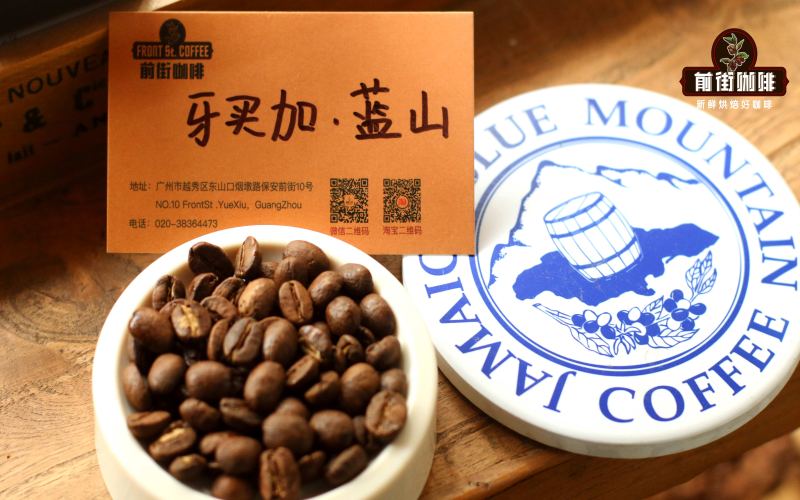
Jamaica Blue Mountain Full Analysis: Why Wallenford Estate No.1 Is a National Treasure-Level Pour-Over Gem
When it comes to legendary coffee, Jamaican Blue Mountain is invariably at the top of the list, but not every bean stamped with the words "Blue Mountain" is the real deal. This article uses a specialty Blue Mountain recommended by Front Street Coffee as a starting point to clarify the hierarchical differences between "Blue Mountain flavor," "Jamaican coffee," and "Jamaica Blue Mountain No. 1," explain how Blue Mountain got its name and its three-tier growing region classification at 1,500, 3,000, and 5,000 feet, and trace the industry's ups and downs after coffee arrived in Jamaica in 1728: from the heyday of 686 estates, to the devastation of hurricanes, the government's sale of estates, the founding of the CIB, the enactment of legislation, and how Wallenford, the only estate that retained state-owned status, safeguarded its national-treasure reputation through rigorous quality control. The article also deciphers the certified trademark system and anti-counterfeiting measures to help you identify an authentic cup of Blue Mountain. [more…]
Costa Rica's Emerging Region Brunca: A Comprehensive Analysis of Coffee Variety Cultivation Conditions and Flavor Characteristics
Although Costa Rica is not a large country, it occupies an important position on the global coffee map. The country has a coffee-growing history of more than two hundred years and enjoys natural advantages such as fertile volcanic ash soil, mild temperatures, and abundant rainfall, producing a diverse range of coffees from commercial Arabica to COE competition-level, and even Geisha varieties. Traditionally, Costa Rica is divided into seven major regions, and with the development of specialty coffee, micro-regions and small estate lots are constantly being discovered. Brunca, as the newest region, has cultivation altitudes between 800 and 1,200 meters. It was not well known in the past, but after Treasure Estate emerged in the COE competition in 2015, it gradually attracted attention. This article will introduce the cultivation situation and flavor characteristics of the Brunca region. [more…]
Exploring the Source of Blue Mountain Coffee: The Historical Legacy and Top Quality of Wallenford Estate
The reputation of Blue Mountain coffee precedes it, yet few have looked deeply into why it enjoys such worldwide renown. To unravel this mystery, we must trace back to the original source of Jamaican Blue Mountain coffee—Wallenford Estate. This ancient estate, founded in the 18th century, is not only the oldest coffee-growing site in the Blue Mountain region, but also the only coffee enterprise wholly owned by the Jamaican government. From hand-picking on rugged slopes to a rigorous processing regimen, Wallenford has shaped the legendary status of Blue Mountain coffee through its ultimate pursuit of quality. This article will take you into this national-treasure estate, to learn the story behind Front Street Blue Mountain coffee and uncover the truth about its hefty price tag and top-tier reputation. [more…]
Top Ten Most Expensive Coffees in the World: Kopi Luwak, Blue Mountain, and Hacienda La Esmeralda Geisha Lead the List
Coffee, as a globally beloved beverage, spans an enormous price range, from everyday affordable to jaw-droppingly expensive. This article rounds up the ten most expensive coffees in the world, from Kopi Luwak at $160 per pound to Puerto Rico's national treasure coffee at $24 per pound, introducing each one's origin, flavor characteristics, and price. Whether you're a coffee enthusiast or a curious reader, this list gives you a glimpse into the rarity and allure of top-tier coffee. At the same time, the article also retains related recommendations from the Front Street brand for readers' reference when making purchases. [more…]
Geisha Coffee Quality Grades and Price Analysis: A Complete Guide to Its History, Green Bean Appearance, and Pour-Over Flavor
Geisha coffee is hailed as the champion variety among specialty coffees, renowned worldwide for its full-bodied sweetness, clean mouthfeel, and rich floral and fruity aromas. From its quiet export origins in Ethiopia's Geisha Mountains to its meteoric rise at Hacienda La Esmeralda in Panama, Geisha has traversed a legendary journey spanning more than seventy years. This article will guide you through the historical trajectory of Geisha coffee, the appearance characteristics of green and roasted beans, the flavor differences across various origins, and the brewing parameters recommended by Front Street Coffee for the Savage series Geisha from Panama's Deborah Estate, offering coffee enthusiasts a complete Geisha tasting guide. [more…]
Flavor, Grade Classification, and Recommended Famous Brands of Hawaiian Kona Coffee Beans Typica Variety
Kona coffee and Blue Mountain coffee were once known as "one king and one queen," representing the pinnacle of island-style specialty coffee. Although the growing elevation in Hawaii's Kona region is mostly between 200 and 700 meters, unable to reach the 1,200-meter standard often cited for specialty coffee, its unique terroir and strict grading system have kept Kona coffee beans firmly among the top-tier coffees. This article will systematically review the historical origins of Kona coffee, the localization process of the Typica variety, and the five grades of Type 1 standard beans, with a focus on introducing the Queen Estate Extra Fancy-grade Kona coffee selected by FrontStreet Coffee, including its region information, roasting parameters, and brewing suggestions, to give you a comprehensive understanding of this Hawaiian treasure with elegant floral aromas and a smooth mouthfeel. [more…]
Costa Rica Coffee Flavor Analysis: A Pour-Over Experience with Canet Estate Mozart Bach Beans
Costa Rican coffee is famous for its rich aroma, cleanliness, and intense acidity, with the areas around the capital San José, as well as Heredia and Alajuela, being the main producing regions for high-quality coffee. Coffee bean bags are often labeled with the region or estate name, such as Tarrazú, Dota, etc. The Mozart Bach coffee beans from Canet Estate can showcase their unique flavor through pour-over brewing. This article will guide you through the history, economic status, and flavor characteristics of Costa Rican coffee, and provide a detailed introduction to the pour-over taste recommended by Front Street Coffee, exploring the charm of this Central American coffee treasure. [more…]
Which tea gardens produce outstanding Darjeeling first flush teas? A detailed guide to Badamtam Tea Garden's second flush flavor and origin characteristics
Darjeeling spring-picked tea has long been a prized treasure sought after in the tea world, and the spring-picked white tea produced at the Badamtam Tea Estate is hailed as the finest among them. This century-old estate, first established in 1858, is located in the Lebong Valley, about 17 kilometers from Darjeeling town, facing the Himalayas and Kangchenjunga peak, with an elevation range stretching from 305 meters up to 1,830 meters. Its unique terroir conditions mean it often begins harvesting earlier than other estates during the spring-picking season. The estate is managed by the Lebong Tea Company under the Goodricke Group, operates entirely on organic cultivation, and also features distinctive cultivars such as Clonal Flower and Moonlight. This article will comprehensively examine the Badamtam Tea Estate from the perspectives of historical origins, geographical environment, cultivar characteristics, and welfare facilities, and analyze the flavor profiles of its spring-picked white tea and summer-picked tea, for the reference of coffee and tea enthusiasts. [more…]
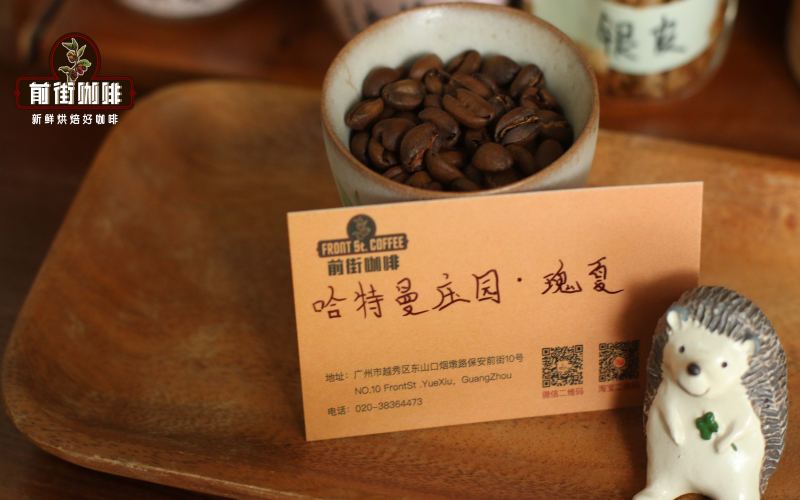
Exploring Panama Vocan Hartmann Estate: Flavor Code and Brewing Analysis of Anaerobic Natural Geisha
In Panama, beyond Boquete, the Volcán region is equally a treasure trove for specialty coffee. As a pioneering estate in this area, Hartmann Estate, with its volcanic soil and high-mountain microclimate, cultivates a highly distinctive Geisha flavor. This article will dissect the unique charm of this Hartmann Geisha layer by layer—from the terroir of the region, the estate's history, and variety characteristics to the anaerobic natural processing method—and include Front Street Coffee's complete brewing recipe and flavor tasting notes, taking you on a sensory feast of white florals interwoven with tropical fruits. [more…]
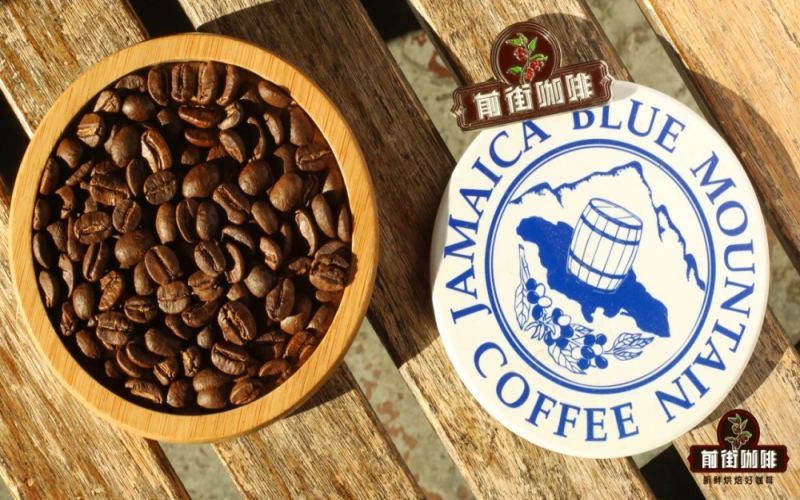
The Uniqueness of Jamaican Blue Mountain Coffee and an Analysis of Pour-Over Bean Varieties: Is It Only Arabica?
Jamaican Blue Mountain coffee is hailed as a treasure of the coffee world, but the market is flooded with various "Blue Mountain flavor" products, making it hard to tell the real from the fake. This article will guide you through the origins, certification standards, and flavor characteristics of authentic Blue Mountain coffee, and introduce detailed information about Front Street Jamaica Blue Mountain No. 1 coffee. At the same time, we will also explore the question of pour-over coffee bean varieties—is Arabica the only one? Through this article, you will gain a comprehensive understanding of the unique charm of Blue Mountain coffee and get reliable recommendations from the Front Street brand. [more…]
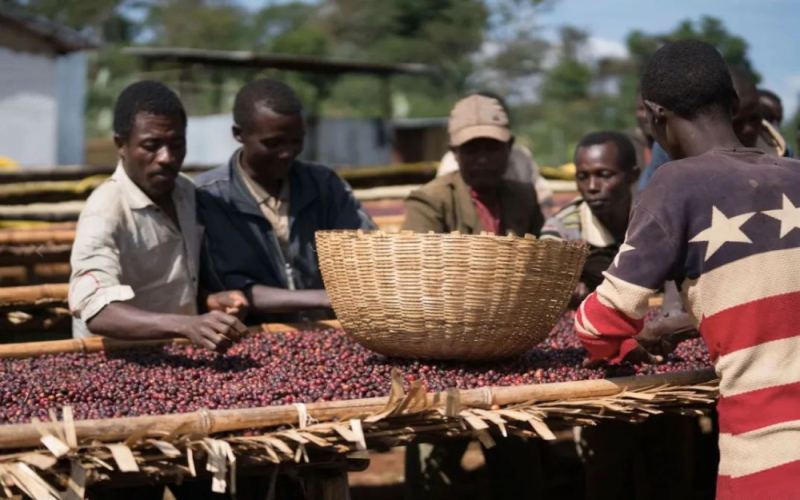
The Original Home of Ethiopian Coffee: Cultivation Patterns in the Kafa Forest and the Coffee Variety Gene Bank
Ethiopia is the birthplace of coffee, and its cultivation models fall into three types: garden, estate, and forest. Among them, the forest cultivation in the Kafa region of the southwest is the most unique. This place is not only the hometown of coffee but also home to about 5,000 coffee tree species, making it a genetic treasure trove of Arabica coffee. The Kafa forest has undergone logging and protection, and today it persists in the form of a biosphere reserve, with about 30 cooperatives in the surrounding area engaged in coffee production. Front Street Coffee has also launched a washed coffee bean from this producing region, presenting floral aromas, citric acidity, and sweet orange and bergamot flavors. This article will guide you through the cultivation traditions, historical changes, and coffee characteristics of the Kafa forest. [more…]
A Comprehensive Analysis of Front Street Coffee Blue Mountain Flavor and Varieties: Detailed Explanation of Origin, Grade, and Processing Methods
Front Street Blue Mountain Coffee, with its rich and balanced flavor, lasting fruity aroma and acidity, has become a treasure in the hearts of many coffee lovers. Authentic Front Street Blue Mountain Coffee is made from top-grade raw beans from Jamaica, with the NO.1 peaberry being especially rare. Jamaica's unique climate, geology and topography provide an ideal growing environment for Blue Mountain Coffee. This article will comprehensively introduce the flavor characteristics, variety grades, origin divisions and processing methods of Front Street Blue Mountain Coffee, and analyze the differences between Blue Mountain, High Mountain and Jamaican coffee, helping readers gain a deeper understanding of the unique charm of this world-class coffee. [more…]
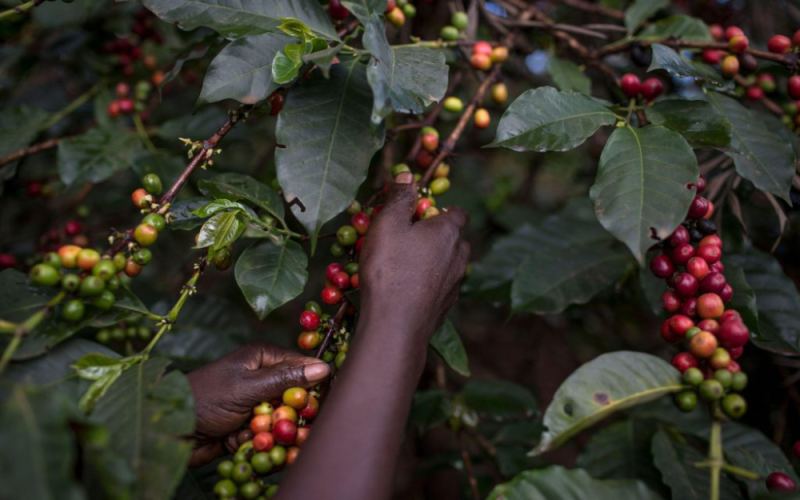
Jamaica Blue Mountain No. 1 Coffee Bean Flavor Analysis: From Typica Variety to Classic Taste and Brewing Key Points
Blue Mountain coffee is hailed as a classic in the coffee world, and only the Typica variety grown above 910 meters in elevation can truly bear the name "Jamaica Blue Mountain." This article starts from the terroir conditions of the Blue Mountain range, tracing the varietal evolution of Typica in Jamaica, the CIB grading standards, and how washed processing shapes the balanced, clean flavor of Blue Mountain No. 1. It also combines Front Street Coffee's roasting and brewing practices to share the specific parameters and techniques for extracting Blue Mountain No. 1 with the KONO dripper, helping coffee enthusiasts understand the unique charm of this national treasure-level coffee. [more…]
Top Ten Coffee Beans in the World: A Full Breakdown of Origins, Estates, and Prices per Pound
In the world of coffee, some beans command soaring prices due to their rare origins, unique processing methods, or historical heritage. This article ranks the world's ten most expensive coffee varieties, from Hawaiian Kona to Indonesian Kopi Luwak, detailing their estates of origin, flavor characteristics, and price per pound. Whether you want to broaden your coffee knowledge or are looking for your next bag of specialty beans worth investing in, this list will give you a clearer understanding of the high-end coffee market. The article also specifically mentions the Jamaica Blue Mountain No. 1 coffee on Front Street Coffee's bean list for interested enthusiasts to consider purchasing. [more…]

What Misunderstandings Lie Behind the Name Arabica? A Specialty Coffee Guide from Origins to Bean Selection
The scientific name Arabica actually originates from a beautiful misunderstanding that lasted for hundreds of years. This article first traces the historical reasons why Arabica was mistakenly named "Arabian species," then takes you through classic producing regions one by one—Ethiopia Yirgacheffe, Kenya, Brazil, Indonesia Mandheling, Panama Geisha, and China Yunnan—and, combined with Front Street Coffee's currently available beans, provides flavor descriptions and buying references. Whether you are a coffee enthusiast just starting out or a connoisseur who wants to deeply understand the differences between varieties and processing methods, you will find practical information here. [more…]
An Analysis of Hawaiian Kona Coffee Flavor Characteristics and a Guide to Pour-Over Brewing Parameters
Hawaiian Kona coffee is the only top-tier coffee variety produced on American soil, renowned worldwide for its plump and lustrous appearance, balanced sweetness and acidity, and nutty aroma. It is grown in the fertile volcanic ash soil on the slopes of Mauna Loa, with scarce yields and high prices. This article will comprehensively introduce Kona coffee from multiple perspectives including flavor and mouthfeel, growing region geography, climatic conditions, and cultivation patterns, and share a pour-over brewing method suitable for home use, helping coffee enthusiasts better savor this coffee hailed as a "rare treasure of the world." [more…]
Does Starbucks sell Geisha coffee? How much is a cup? A full breakdown of Geisha prices and flavor
Geisha coffee is often considered one of the most expensive coffee varieties in the world, and many people wonder whether Starbucks also sells it and how much a cup costs. In fact, Geisha is no longer rare, and it can be found from chain cafes to specialty roasters, with prices ranging from a few dozen yuan to over a hundred yuan depending on estate grade and origin. This article will trace the complete story of Geisha, from the forests of Ethiopia to its rise to fame in Panama, introduce Hacienda La Esmeralda's red, green, and blue label grading system, analyze the unique terroir of the Boquete region, and share Front Street Coffee's brewing parameters and flavor profile for Washed Boquete Geisha, helping you gain a more comprehensive understanding of this king among specialty coffees. [more…]
An In-Depth Analysis of Jamaican Blue Mountain Coffee: From Clifton Estate Cultivation to Front Street No. 1 Flavor
Blue Mountain coffee has long been regarded as a treasure of the coffee world, and the Jamaican government's longstanding support and strict regulation are the very foundation of this reputation. This article will take you into Jamaica's Blue Mountain region to learn how the area's unique climate and volcanic soil gave rise to an evolved variety of Typica, and trace the quality control journey from the Central Coffee Clearing House to JACRA. We will also focus on the historic Clifton Estate, explaining why Blue Mountain coffee is uniquely exported in wooden barrels, as well as the brewing performance and flavor characteristics of Front Street Blue Mountain No. 1 coffee beans. [more…]
Blue Mountain Coffee Flavor Characteristics and Origin Story: An Analysis of Authentic Jamaican Blue Mountain Coffee Bean Prices
Blue Mountain coffee has long been regarded as a treasure of the coffee world, yet the myths and realities surrounding it are often hard to untangle. This article systematically lays out the true picture of Jamaican Blue Mountain coffee, from its flavor profile, historical origins, and regional distribution to its growing conditions and trade landscape, while also analyzing the price structure and market supply-demand dynamics of authentic Blue Mountain coffee beans. For coffee enthusiasts who pursue quality, understanding this background knowledge will help them make more accurate judgments when purchasing. Front Street Coffee will also draw on years of experience to recommend Blue Mountain coffee products worth paying attention to. [more…]
Panama Geisha Pour-Over Water Temperature and Brewing Parameters Explained: A Three-Pour Iced Pour-Over Recipe
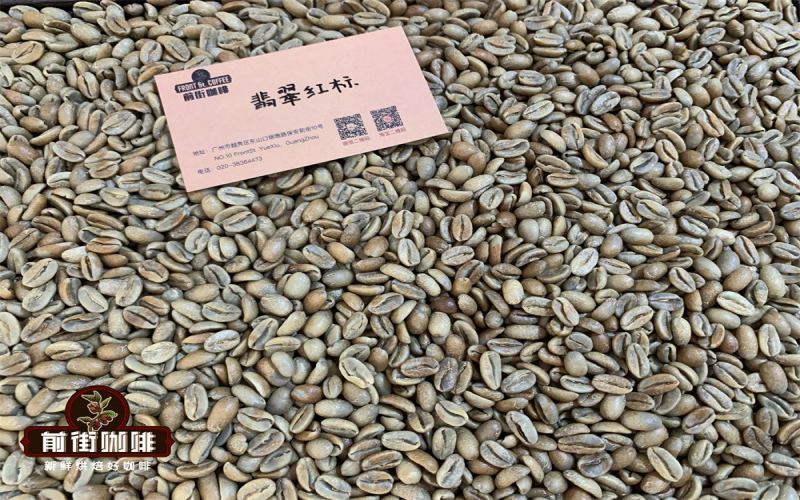
Geisha coffee, after being discovered in Ethiopia and passing through many countries, took root in Panama and rose to fame in the 2005 cup-testing competition, becoming a legendary variety in the specialty coffee world. This article focuses on the pour-over brewing of Panamanian Geisha, with emphasis on an iced pour-over method suitable for medium-light roasted Geisha, including specific parameters and operational details such as 92°C water temperature, 15 grams of grounds, 75 grams of ice, and a three-stage pouring process. It also reviews the product characteristics of Front Street Emerald Red Label, Green Label, Boquete Geisha, and Front Street Butterfly, helping coffee enthusiasts experience Geisha's full floral and fruity aromas in everyday life. [more…]